Sexually transmitted infection or STI testing is a routine part of sexual health care that helps protect both you and your partner by identifying infections early, before they lead to complications that are much harder to treat later. Whether you are starting a new relationship, have not been tested in a while or just want to stay on top of your health, knowing what to expect can make the process easier.
STI vs. STD: Is There a Difference?
You might hear both terms used interchangeably. “STI” stands for sexually transmitted infection, and “STD” stands for sexually transmitted disease. Many healthcare providers prefer “STI” because an infection can be present without symptoms, and because the term feels less stigmatizing. The key takeaway is that it is possible to feel completely fine and still carry an infection. The only way to know is through testing.
Should I Be Tested If I Have No Symptoms?
Many common STIs do not cause noticeable symptoms at first. Chlamydia and gonorrhea, for example, can be silent, especially in women. Left untreated, these infections can spread into the reproductive organs and contribute to pelvic inflammatory disease, which can increase the risk of infertility. Testing also provides peace of mind. When you know your results, you can make clear decisions about protection, treatment and next steps. And if something comes back positive, most STIs are treatable and several are curable.
Who Should Get Tested and How Often?
Testing recommendations depend on your age, sexual activity, and risk factors. The CDC recommends that all sexually active women under 25 be tested for chlamydia and gonorrhea every year. Women 25 and older should also be tested annually if they have new partners, multiple partners or a partner with a known STI.
For Human immunodeficiency virus (HIV), the CDC recommends everyone ages 13 to 64 get tested at least once, and more often with ongoing risk factors. If you are pregnant, STI screening is an important part of your prenatal care to protect both your health and your baby’s health. If you are not sure what applies to you, a conversation with your provider can help.
What Does Testing Involve?
Most testing is simple and quick. Testing may require a urine sample for chlamydia and gonorrhea, a vaginal swab (which can sometimes be self-collected), a throat or rectal swab if there has been oral or anal exposure, or a blood draw for infections like HIV and syphilis.
Some patients ask for a “full panel,” but what that includes varies. Testing is usually personalized based on your symptoms, sexual practices, and exposure. Common infections that may be covered include chlamydia, gonorrhea, syphilis, HIV, hepatitis B, hepatitis C and herpes. Your provider can explain exactly what is recommended for you and why.
How to Approach Testing with Your Provider
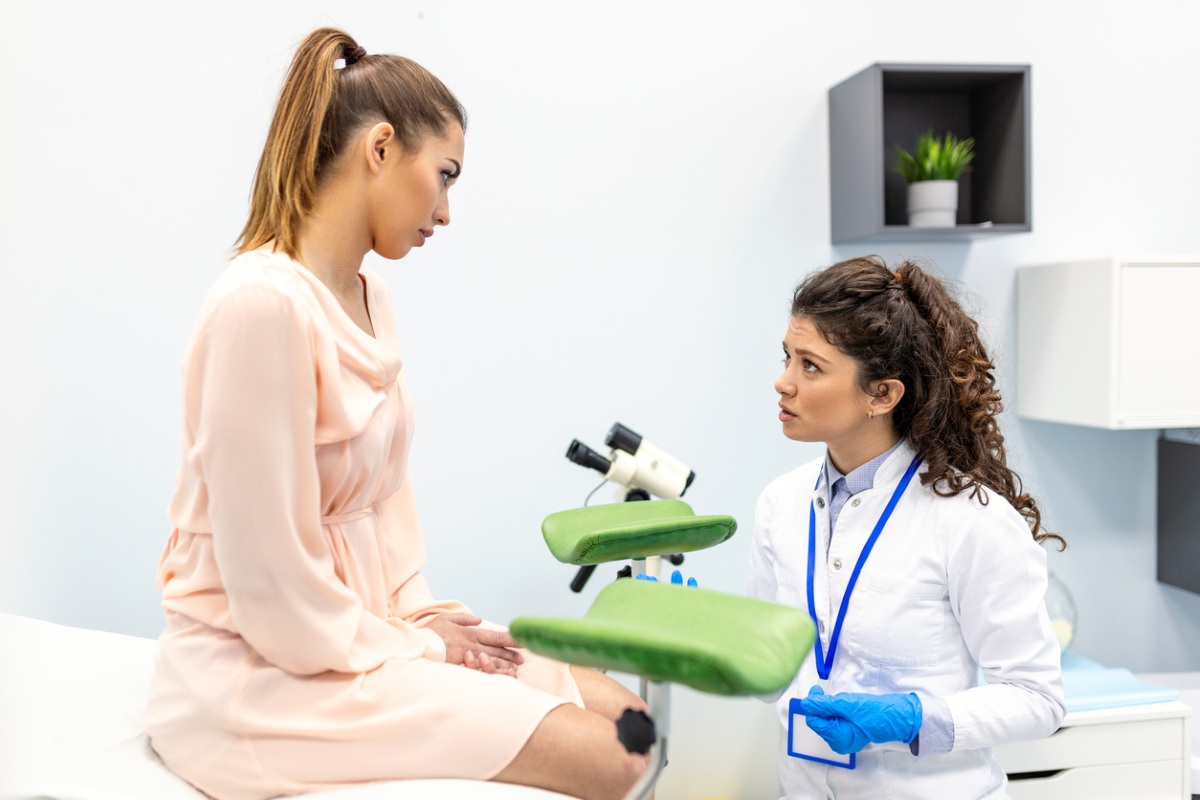
If you feel nervous, remember that your OB/GYN has this conversation every day with patients. You do not need a perfect script. A simple, direct statement works: “I would like to get tested for STIs, even though I do not have symptoms,” or “I have a new partner and want to be responsible,” or “I am not sure what tests I need, can you help me figure that out?”
How to Bring It Up with a Partner
This is often the harder conversation. It can be helpful to frame testing as something you do for your shared health, not as something that implies mistrust. You might say something like, “I get tested as part of taking care of my health, and I would feel better if we both did,” or “Maybe we should get tested before we stop using protection.” This conversation usually goes best before intimacy or before changing protection habits, not in the heat of the moment.
Prevention Beyond Testing
Testing is one part of prevention. Condoms reduce the risk of many STIs, especially those transmitted through fluids like chlamydia, gonorrhea and HIV. They also lower risk for some skin-to-skin infections, though they do not eliminate it entirely.
Vaccination is another major tool. The HPV vaccine helps prevent the strains most strongly linked to cervical cancer and other HPV-related cancers. The CDC recommends receiving the HPV vaccination starting at ages 11 to 12, with catch-up vaccination through age 26. If you are unsure about your vaccine status, your provider can help.
When to Seek Care Right Away
Some symptoms should prompt a visit to your OB/GYN sooner rather than later. These include pelvic pain, pain with sex, unusual discharge, new bleeding between periods, sores or blisters, burning with urination or any symptoms after a known exposure. These do not always mean an STI, but they do mean you deserve an evaluation.
Taking Charge of Your Sexual Health
STI testing is healthcare, no different from Pap smears, routine labs and yearly checkups. If you have questions about testing, want to understand which screening makes sense for you, or are ready to be tested, schedule an appointment with Bloom OB/GYN. We are here to provide respectful, confidential care and help you feel informed and supported.