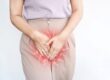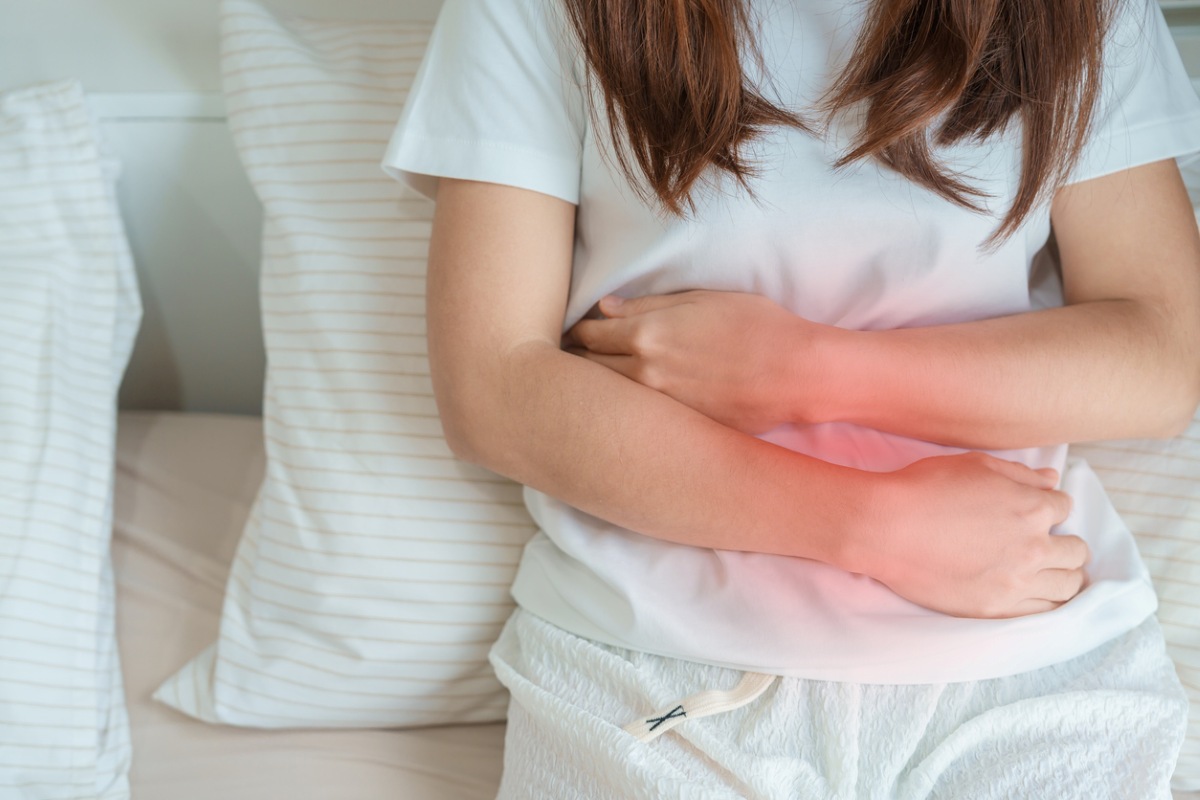
Endometriosis is a chronic condition where tissue similar to the lining of the uterus grows outside the uterus. These growths can develop on the ovaries, fallopian tubes, and other areas in the pelvis, triggering inflammation, scarring and pain, especially around your menstrual cycle. An estimated 10% of women of reproductive age are affected, yet many go years without a clear diagnosis.
Why Endometriosis Is Often Missed
Symptoms may vary widely from person to person. Some women have severe pain with only small areas of disease. Others have more widespread endometriosis with fewer noticeable symptoms. There is no single textbook presentation.
Many women are also told painful periods are just part of life. If you have been hearing that for years, you may not realize that what you are experiencing is not typical. Pain that keeps you home from work, makes you dread your cycle, or affects your sex life is not something you should have to endure.
Common Symptoms to Watch For
The most recognized symptom is pelvic pain, which is often worse before and during your period. But endometriosis can show up in several ways, including:
- Painful periods that worsen over time
- Pain during sex (especially deep pain)
- Pain with bowel movements or urination that flares around your period
- Heavy bleeding or spotting between periods
- Chronic pelvic pain outside of your cycle
- Bloating, nausea, and fatigue that intensify around menstruation
- Difficulty getting pregnant
If symptoms consistently worsen around your cycle, that pattern is worth noting.
How Endometriosis Is Diagnosed
Diagnosis usually starts with a detailed conversation, not a single test. Your provider will ask about your cycle, pain patterns, bowel and bladder symptoms and whether sex is painful. Tracking symptoms in an app or calendar can help.
A pelvic exam can identify areas of tenderness or pelvic floor tension. Ultrasound can sometimes detect endometriomas (ovarian cysts related to endometriosis) or rule out other conditions, but a normal ultrasound does not rule out endometriosis.
Laparoscopy, a minimally invasive procedure using a small camera inserted through tiny incisions, can still play an important role when symptoms are severe or medication has not helped.
Conditions That Can Look Similar
Fibroids, adenomyosis, ovarian cysts, pelvic inflammatory disease, gastrointestinal conditions, and pelvic floor muscle tension can all cause overlapping symptoms. More than one issue can be present at the same time, so a careful evaluation matters.
Treatment Options
There is no one-size-fits-all treatment. A good plan starts with your goals, whether that is better pain control, preserving fertility, avoiding hormones, or reducing heavy bleeding.
For mild to moderate symptoms, anti-inflammatory medications, heat therapy, gentle movement and adequate sleep can help manage flares. Hormonal treatments can reduce symptoms by suppressing ovulation and stabilizing the hormonal fluctuations that fuel inflammation. Hormonal treatment options may include combined hormonal contraception, progestin-only methods, or other therapies that lower estrogen activity.
When medication is not enough or fertility is a priority, surgery may be part of the plan. Many endometriosis surgeries today are performed laparoscopically with small incisions, faster recovery and less disruption.
Pelvic Floor Therapy and Supportive Care
Many women with endometriosis develop pelvic floor muscle tension over time because chronic pain causes the body to guard and tighten. Pelvic floor physical therapy focuses on muscle relaxation, coordination and pain reduction, and can be especially helpful for pain during sex and pelvic pressure.
Lifestyle factors like regular gentle exercise, stress management and consistent sleep can also help reduce flare intensity. If certain foods consistently worsen bloating or bowel symptoms, it may be worth discussing targeted dietary changes with your provider.
When to Schedule an Evaluation
You do not need to wait until you are at a breaking point. Consider scheduling an appointment if:
- Your periods are painful enough to disrupt work or relationships
- Your pain is getting worse over time
- You have pain with sex or bowel movements around your period
- You experience pelvic pain outside of your cycle
- You have been trying to conceive with symptoms that suggest endometriosis
Relief Begins with Being Heard
Endometriosis is common, and it is treatable. If you have been minimizing your symptoms or assuming nothing can help, there is hope. Schedule a visit with Bloom OB/GYN and we will help you build a personalized plan so you can feel more like yourself again.