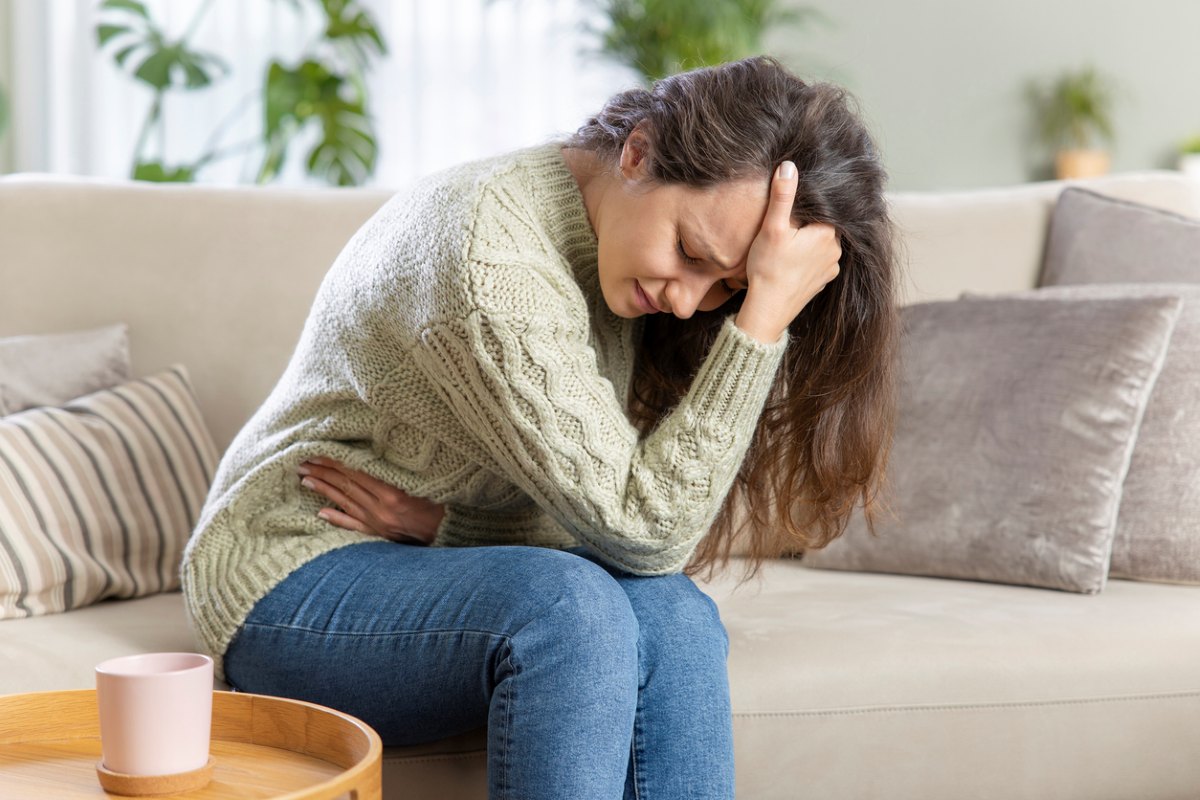
Pelvic pain can be stressful, especially when it keeps coming back or does not seem to have a clear cause. Some pelvic pain may be linked to your menstrual cycle. Other pelvic pain can originate from the bladder, bowel, pelvic muscles, or reproductive organs. The same symptom can have more than one cause, which is why it helps to look at symptom patterns.
First, What Counts as Pelvic Pain?
Pelvic pain is discomfort in the lower belly, pelvis, or deep in the hips. It may feel sharp, crampy, burning, heavy, or like pressure. It may be constant, come and go, or show up during specific times like your period, ovulation, sex, or urination.
Pain is information. By understanding where the pain is coming from, how frequent it is, and the type of pain you may be experiencing, you can understand what your body is signaling.
Common Gynecologic Causes
Many sources of pelvic pain are gynecologic in nature and can be identified through a careful evaluation.
Period Cramps and Menstrual Cycle-Related Pain
Mild to moderate cramping during a period can be normal. But severe, worsening, or disruptive pain requires attention. Pain that starts before bleeding and lasts for days can also be a clue that you may be feeling something more than typical cramping.
Ovulation Pain
Some people feel one-sided pelvic pain around the middle of their cycle when an ovary releases an egg. This can be brief and mild. If the pain is severe, lasts longer than a day, or comes with other symptoms, it is worth checking.
Endometriosis
Endometriosis can cause pelvic pain that often gets worse around a period, but it can also cause pain at other times. Common patterns include pain during periods, pain with sex, bowel pain during a period, and chronic pelvic pain. Symptoms vary widely, and not everyone has the same experience.
Fibroids and Adenomyosis
Fibroids are benign growths in the uterus that can cause heavy bleeding, cramping, pelvic pressure, and sometimes pain. Adenomyosis is another condition that can cause very painful, heavy periods and a tender uterus. These conditions are not dangerous for most people, but they can seriously affect quality of life.
Ovarian Cysts
Ovarian cysts are common and often resolve on their own. When they cause symptoms, people may feel one-sided pain, pressure, or bloating. Sudden severe pain can sometimes happen if a cyst ruptures or if the ovary twists (ovarian torsion), which is an emergency.
Infection
Pelvic inflammatory disease can happen when certain infections spread to the uterus and tubes, which may cause pelvic pain, fever, unusual discharge, bleeding after sex, or pain during sex. Early evaluation is important because an untreated infection can lead to long-term problems. Routine STI testing can help catch infections before they progress.
Causes of Pelvic Pain Outside the Reproductive System
Urinary Causes
A urinary tract infection can cause pelvic discomfort, burning with urination, and frequent or urgent urination. Kidney stones can cause severe pain that may start in the back or side and move downward. Bladder pain syndrome, also called interstitial cystitis, can cause pelvic pain and urinary urgency without a typical infection.
Bowel Causes
Constipation and gas can cause pelvic pressure and cramping. Irritable bowel syndrome can cause recurring belly pain linked to bowel habits. Appendicitis can start as vague belly pain and become sharp, often on the right side, and usually gets worse.
Pelvic Floor or Musculoskeletal Causes
Pelvic pain does not always come from organs. Tight or irritated pelvic floor muscles can cause deep pelvic aching, pain during sex, or urinary symptoms. Hip, back, or core issues can also refer pain to the pelvis, especially after pregnancy, injury, or changes in exercise.
When Pelvic Pain Needs Urgent Care
Seek same-day medical care if you have pelvic pain with any of the following:
- A possibility of pregnancy, or you have a positive pregnancy test
- Severe or sudden pain that is getting worse
- Fainting, dizziness, or weakness
- Heavy bleeding, or bleeding with clots and feeling lightheaded
- Fever, chills, or vomiting that persists
- Shoulder pain along with pelvic pain (especially in early pregnancy)
These symptoms indicate that you should be evaluated immediately.
What to Track Before Your Visit
Pelvic pain can be easier to diagnose when you bring a few details. If you can, track:
- When the pain happens (during period, mid-cycle, after sex, random)
- Where it is (one-sided, center, deep, spreading to the back or leg)
- What it feels like (crampy, sharp, burning, pressure)
- Any related symptoms (bleeding changes, discharge, urinary symptoms, bowel changes)
You do not need perfect notes. Tracking a simple pattern can help.
What an Evaluation May Include
A pelvic pain visit usually starts with questions about your cycle, symptoms, pregnancy risk, sexual history, and any past diagnoses. A pelvic exam may help identify tenderness, discharge, or signs of pelvic floor muscle tightness. Depending on your symptoms, your clinician may recommend:
- A pregnancy test
- A urine test to check for infection
- Vaginal swabs or blood tests for infections when appropriate
- Pelvic ultrasound to look at the uterus and ovaries
The goal is to rule out urgent causes first, then narrow down the most likely explanation and treatment plan.
How Pelvic Pain Is Treated
Treatment depends on the cause of your pain. Some conditions improve with targeted medication, pelvic floor physical therapy, or treatment of an infection.
Other conditions may require longer-term management, like symptom control for endometriosis or heavy bleeding from fibroids. In some cases, gynecologic surgery may be recommended. Sometimes lifestyle factors like constipation management can make a real difference, but the right starting point is an accurate diagnosis.
Pelvic pain is also not “all in your head.” Stress can make pain feel worse, but you are not imagining the pain. You deserve a treatment plan that addresses your symptoms.
Getting Answers Is Part of Feeling Better
Pelvic pain that keeps coming back is worth checking, even if it feels hard to describe. Many causes are treatable, and early support can prevent months or even years of guessing.
If pelvic pain is affecting your life, schedule an appointment with Bloom OB/GYN. We can help you sort through possible causes, recommend the right evaluation, and work with you on a plan to get relief and feel more comfortable on a daily basis.