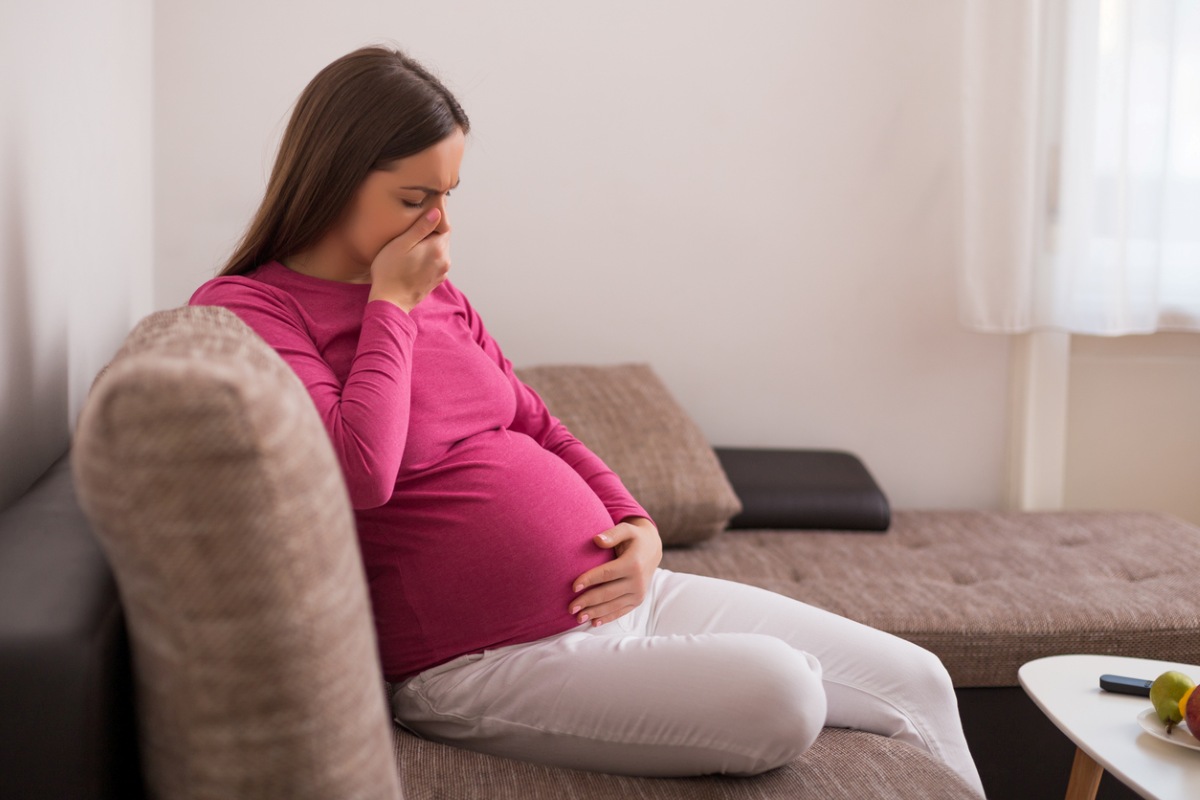
Morning sickness is often one of the earliest signs of pregnancy. For many women, pregnancy-related nausea can strike at any time of day and range from mild queasiness to persistent, disruptive vomiting. While it’s considered a normal part of early pregnancy, that doesn’t make it easy.
At Bloom OB/GYN, we understand how frustrating and exhausting nausea can be, especially when you’re trying to focus on your health, job, or family. The good news? There are practical strategies that can help ease your symptoms, and support is available if nausea begins to interfere with your daily life.
In this blog, we’ll explore why pregnancy-related nausea happens, what can trigger it, and how to manage it with safe, effective remedies, both natural and medical. We’ll also help you recognize when it’s time to reach out for additional care.
What Causes Nausea During Pregnancy?
Nausea during pregnancy, especially in the first trimester, is primarily caused by hormonal changes. The surge in human chorionic gonadotropin (hCG) and estrogen that occurs early in pregnancy is believed to play a significant role in triggering nausea.
Other contributing factors can include:
- Increased sensitivity to smells
- Slowed digestion due to rising progesterone levels
- Fatigue or low blood sugar
- Heightened emotional stress
- Gastrointestinal sensitivity
Some women begin feeling symptoms as early as week 4 or 5 of pregnancy. For many, nausea peaks around weeks 8 to 10 and often subsides by the second trimester. For others, it can persist longer.
Common Triggers of Pregnancy Nausea
Understanding your personal nausea triggers can help you prevent symptoms or minimize their severity. Common triggers include:
- Strong odors (perfumes, cooking smells, gasoline)
- Empty stomach or skipping meals
- High-fat or spicy foods
- Heat and humidity
- Motion (cars, elevators, etc.)
- Caffeine or overly sweet drinks
Even something as simple as brushing your teeth or taking prenatal vitamins on an empty stomach can be a trigger for some women.
Keeping a journal of what you eat, when you feel nauseous, and your surroundings can help you identify patterns and adjust accordingly.
Practical Tips to Ease Nausea
If you’re struggling with nausea, the following lifestyle and dietary adjustments can often make a noticeable difference:
1. Eat Small, Frequent Meals
Keeping something in your stomach at all times helps prevent nausea caused by low blood sugar or an empty stomach. Aim for small, frequent meals, every 1-2 hours, rather than three large meals a day.
Try plain, easy-to-digest foods like:
- Crackers or dry toast
- Bananas
- Applesauce
- Rice or pasta
- Oatmeal
- Boiled potatoes
Pairing carbs with a bit of protein (like cheese, yogurt, or nuts) can also help stabilize blood sugar and reduce nausea.
2. Snack Before Getting Out of Bed
If you often wake up feeling queasy, keep plain crackers or cereal by your bedside. Eat a small amount before sitting up or standing, and give yourself a few minutes to adjust.
3. Stay Hydrated In Small Sips
Dehydration can make nausea worse, but drinking large amounts of water at once can be hard to tolerate. Try sipping fluids slowly throughout the day instead of drinking full glasses all at once.
Options to try:
- Ice chips
- Sips of water or electrolyte drinks
- Cold or sparkling water with lemon
- Ginger tea
If you’re struggling to stay hydrated due to vomiting, let your provider know. There are solutions available to help prevent dehydration.
4. Use Ginger, Nature’s Anti Nausea Remedy
Ginger is a time-tested, natural remedy that’s safe for most pregnant women. It may help calm the stomach and reduce nausea intensity.
Ways to use ginger:
- Ginger tea
- Ginger ale (with real ginger)
- Ginger chews or lozenges
- Ginger capsules (ask your provider before starting supplements)
5. Try Vitamin B6 Supplements
Vitamin B6 has been shown to reduce nausea in pregnancy when taken in small doses. It’s often used in combination with other remedies and may be recommended by your OB/GYN if dietary changes alone aren’t enough.
Typical dosing: 10–25 mg up to three times daily, but always follow your provider’s guidance before starting any supplement.
6. Avoid Strong Odors and Overheating
Open windows for ventilation, cook in well-ventilated areas, or ask for help preparing meals if smells trigger your symptoms. Wearing breathable fabrics and staying cool can also help, especially during warm weather.
Other Remedies and Supportive Measures
Some additional tools and therapies may also offer relief:
- Acupressure wristbands: Designed to apply pressure to the P6 point on your wrist, which may help reduce nausea.
- Aromatherapy: Lemon, peppermint, and spearmint essential oils are popular options. (Use with caution and consult your provider.)
- Prenatal yoga or meditation: Mindfulness practices can reduce stress, which is often a hidden contributor to nausea.
Not every remedy works for everyone. What helps one person may not help another, and that’s okay. Managing pregnancy nausea often takes some trial and error.
When to Call Your OB/GYN
While nausea is common during pregnancy, there’s a point when it moves beyond normal discomfort and requires medical attention.
Contact your OB/GYN if you experience:
- Vomiting more than three times a day
- Inability to keep any food or fluids down
- Signs of dehydration (dizziness, dry mouth, dark urine)
- Rapid weight loss
- Severe fatigue or fainting
- Symptoms that persist beyond the first trimester and worsen
These could be signs of hyperemesis gravidarum, a more serious condition that causes intense, persistent nausea and vomiting. While less common, it can lead to dehydration, nutrient deficiencies, and weight loss if not managed properly.
At Bloom OB/GYN, we’re here to support you with both medical treatment and emotional reassurance. If nausea is interfering with your daily life, we want to help you find safe, effective relief.
Safe Medical Treatment Options
When natural remedies aren’t enough, your provider may recommend prescription medications that are safe to use during pregnancy. These may include:
- Vitamin B6 and doxylamine (often combined in one prescription)
- Antihistamines like diphenhydramine
- Antiemetic medications like ondansetron (used in more severe cases)
Your OB/GYN will work with you to find the right option based on your symptoms, trimester, and medical history.
Caring for Your Emotional Health
It’s easy to feel discouraged when nausea lingers longer than expected, especially when it affects your ability to eat, work, or enjoy pregnancy. You’re not alone in feeling overwhelmed, and there’s no shame in asking for support.
Talking to your partner, family, or a counselor can help you cope. And keep in mind: many women experience relief by the start of the second trimester. But even if your nausea lasts longer, you have resources and care available.
You Deserve to Feel Better
Pregnancy is filled with excitement and change, but it’s also a time when your body needs support and compassion. Nausea can feel all-consuming, but with the right strategies, it’s often manageable.
If nausea is disrupting your life or you just want expert advice on safe remedies, don’t hesitate to reach out. Schedule an appointment with Bloom OB/GYN, and let’s work together to help you feel your best.