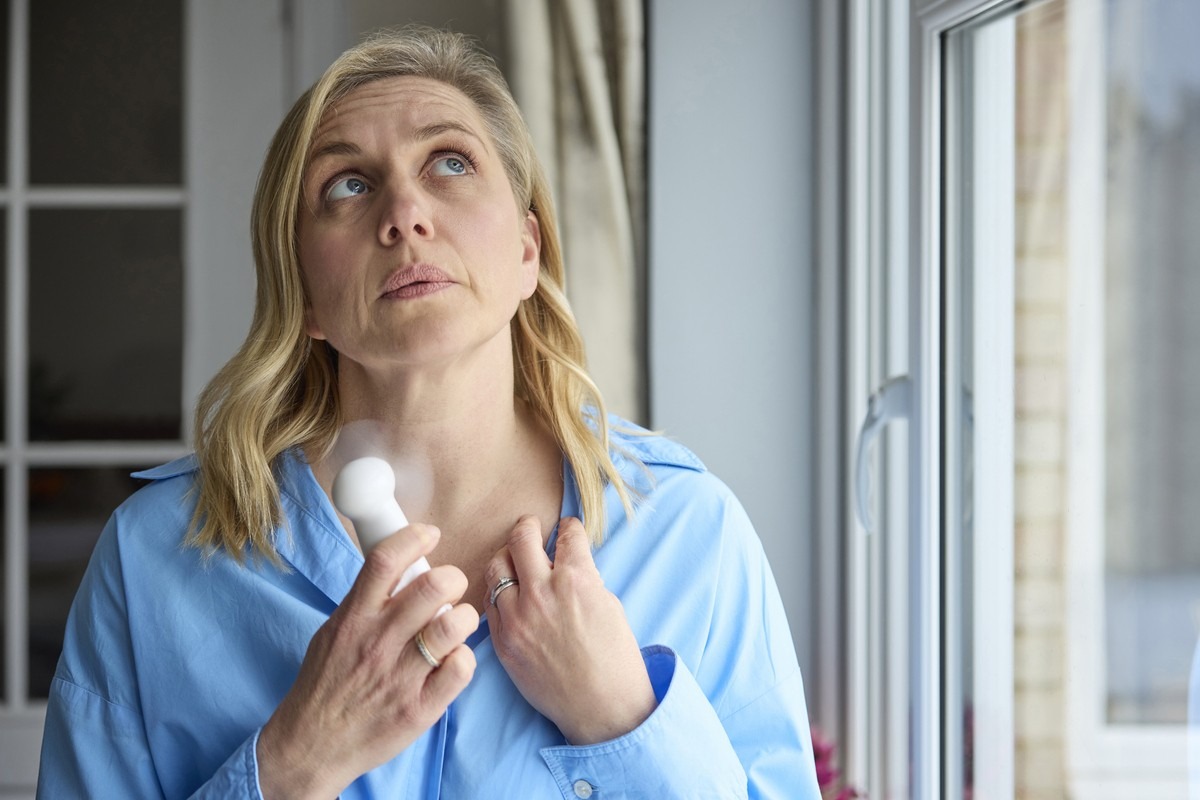
If you are in your 40s and noticing that things feel “off” but you cannot quite pinpoint why, you are not imagining it. Perimenopause is the transitional phase leading up to menopause, and it can begin as early as 10 years before your periods stop for good. During this time, your estrogen and progesterone levels start to fluctuate and eventually decline.
Menopause itself is defined as going 12 consecutive months without a menstrual period, and most women reach it around age 52. But the years before menopause can bring a wide range of physical and emotional changes that deserve attention and care. If you are wondering whether you might be perimenopausal, you are not alone in asking.
Many women go years without realizing that what they are experiencing has a name. Your provider may not bring it up at a routine visit, and the symptoms seem general and can easily be attributed to everyday stress. Understanding what is happening inside your body is the first step toward feeling like yourself again.
Why Your Periods Are Changing
One of the earliest signs of perimenopause is a shift in your menstrual cycle. Your periods may come closer together or further apart. They might be heavier than usual one month and barely there the next. This happens because your ovaries are producing estrogen less predictably. Some months you may ovulate, and some months you may not. These hormonal ups and downs are what drive the irregular bleeding patterns that catch many women off guard.
It is worth noting that even with irregular cycles during perimenopause, pregnancy is still possible. If you are not planning to become pregnant, talk with your provider about contraception options that may also help manage symptoms.
Hot Flashes, Night Sweats, and Sleep Problems
Hot flashes are one of the most well-known symptoms of this transition. They cause a sudden wave of heat, sweating, and a rapid heartbeat that can last anywhere from one to five minutes. When hot flashes happen at night, they are called night sweats, and they can seriously disrupt your sleep.
Poor sleep during perimenopause is not just about night sweats, though. Shifting hormone levels can also affect the brain’s ability to regulate sleep cycles on its own. The result is a frustrating loop where hormonal changes wake you up, and the lost sleep makes other symptoms feel worse.
Wearing layers you can easily remove, keeping your bedroom cool, and using breathable bedding can all help. If these strategies are not enough, your provider can discuss other options with you.
Brain Fog and Mood Changes
If you have been walking into rooms and forgetting why, or struggling to find words that used to come easily, you are not alone. Many women in perimenopause describe a foggy, distracted feeling that affects their focus and memory. Research suggests that fluctuating estrogen levels play a role in these cognitive changes, since estrogen helps support brain function.
Mood changes are also common during this transition. You might feel more irritable, anxious, or tearful than usual. Some women experience symptoms that look a lot like depression. These emotional shifts are driven by the same hormonal fluctuations affecting the rest of your body. Women who have a history of anxiety, depression, or premenstrual mood symptoms may be more likely to experience mood changes during perimenopause.
If your mood feels significantly different from your baseline, or if anxiety or sadness is interfering with your daily life, bring it up with your provider. These are real, physiologically driven symptoms that deserve treatment.
Vaginal Dryness and Discomfort
As estrogen levels drop, the vaginal tissues can become thinner, drier, and less elastic. This can make intercourse painful and may also increase your risk of urinary tract infections and vaginal irritation. Many women feel embarrassed to bring this up, but vaginal dryness is extremely common during and after menopause.
Over-the-counter vaginal moisturizers and water-based lubricants can provide relief for mild symptoms. For more persistent dryness, low-dose vaginal estrogen therapy in the form of a cream, ring, or tablet is a well-studied and effective option that your provider can prescribe. There are also additional treatment options for vaginal dryness, including the MonaLisa Touch laser therapy, that your provider can walk you through.
Treatment Options That Actually Help
There is no single treatment that works for everyone, and the best approach depends on which symptoms affect you most and your overall health history. Comprehensive menopause management looks at the full picture rather than treating each symptom in isolation.
Hormone therapy (HT) remains one of the most effective treatments for hot flashes, night sweats, vaginal dryness, and bone loss prevention. HT uses estrogen, or a combination of estrogen and progesterone, to replace the hormones you used to produce. It tends to be most beneficial when started around the time symptoms begin. Your provider can help you weigh the benefits and risks based on your medical background.
For women who cannot or prefer not to use hormone therapy, there are nonhormonal prescription medications that can help with hot flashes and mood symptoms. Lifestyle changes also play a supporting role. Regular exercise, a balanced diet rich in calcium and vitamin D, limiting caffeine and alcohol, and stress management techniques like yoga or mindfulness can all make a meaningful difference.
You Deserve More Than “Just Deal With It”
Perimenopause and menopause are natural phases of life, but that does not mean you have to white-knuckle your way through the symptoms. You deserve a provider who listens, takes your experience seriously, and works with you to build a care plan that fits your life. The gynecology team at Bloom approaches this stage with that goal in mind.
If you are experiencing symptoms that feel unfamiliar or disruptive, schedule an appointment at Bloom. The team provides compassionate, individualized menopause care and can help you understand your options so you can move through this transition feeling supported and informed.