Our comprehensive healthcare team will help you achieve optimal health and well-being. Our providers have 30 years of collective experience specializing in General Obstetrics and Gynecology. We strive to provide women of all ages in the Greater Washington DC area with the highest level of personalized care. We are accepting new patients and we are in-network with CareFirst, Aetna, Cigna, Johns Hopkins Healthcare EHP and US Family Health Plans, and United Healthcare.
Learn more about our team
Did you know that October is Breast Cancer Awareness Month? And are you looking for information and resources about breast health? In this post, we keep you up-to-date and educated about breast health, including breast cancer screening, diagnosis and treatment. You need javascript enabled to view this content or go to source URL. You need…
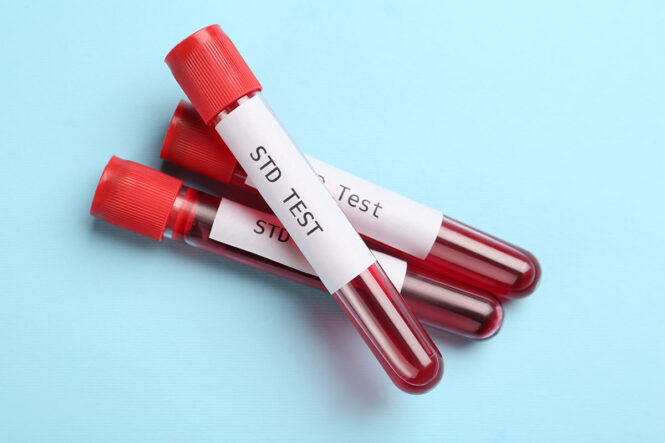
Everyone should know how to start a conversation about STD testing with their partner or provider and everyone who is sexually active should be screened at some point. Sometimes testing isn’t necessary (sometimes it is) and sometimes it’s just best practice to make sure you’re healthy. But if it is recommended, and you do get…
There are moments in scientific discovery that are undeniably important in modern medicine and research. Take Andrew Fleming, for example, who mistakenly discovered Penicillin in 1928. Dr. Fleming returned from a two week vacation to find mold contaminating one of his bacterial culture plates. But he also noticed that this mold prevented the growth of…
Physical Therapist and guest blogger Jennifer Chu from ITR Physical Therapy weighs in: Have you heard of Kegel exercises? Gynecologists recommend them. Maybe you saw an evocative article in a women’s magazine. Have you ever discussed Kegel exercises among friends over a glass of wine? Maybe you’ve heard of these exercises, but what are they…
Should I Be Tested for Genetic Mutations Linked to Cancer? A Real-Life Example of Someone Who Said Yes – Kathleen Flynn O’Neill, NP This is the story of Megan. Megan has a family history of breast cancer. Her grandmother was diagnosed at a young age and passed away at 41 years old. In 2017, we…
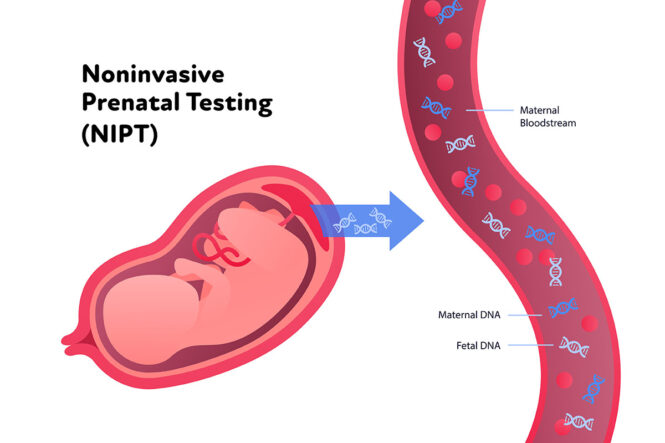
Non-Invasive Prenatal Test (NIPT) What is it? The Non-Invasive Prenatal Test (NIPT) screens for certain conditions caused by an abnormal number of chromosomes in a developing pregnancy. It also commonly known as a cell-free DNA (cfDNA) prenatal screen. What is the difference between a screening test and a diagnostic test? Screening tests are used to…
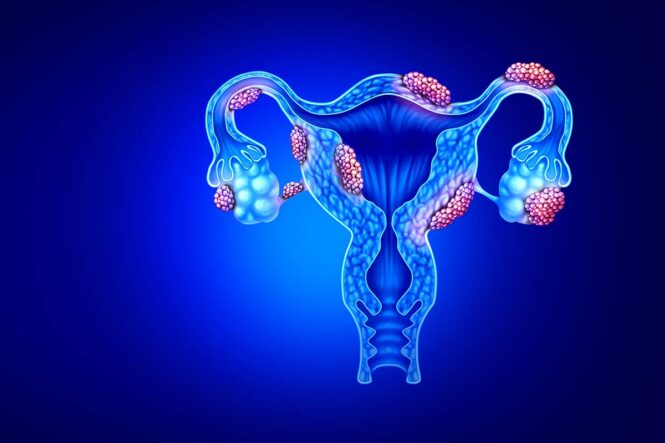
What are uterine fibroids? Uterine fibroids – also known as leiomyomas or myomas – are benign (not cancer) growths that develop from the muscle part of the uterus. The size, shape, and location of fibroids can vary greatly. They may be inside the uterus, on its outer surface or within its wall, or attached to…
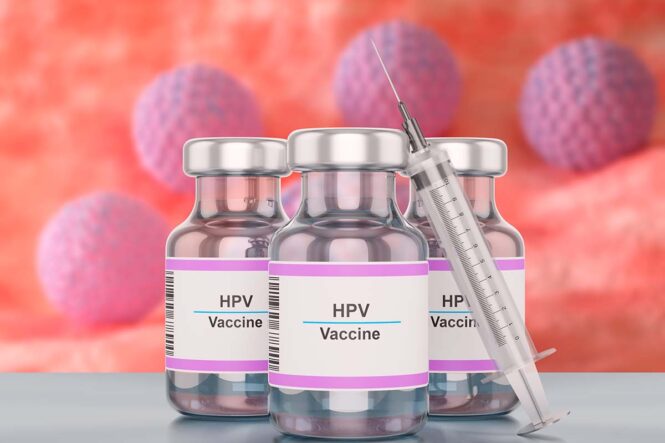
In 2014, the FDA initially approved Gardasil 9 for use in females and males ages 9 through 26. In October 2018, the U.S. Food and Drug Administration (FDA) expanded the approved use of the Gardasil 9 vaccine to now include women and men 27 through 45 years of age. Gardasil 9 prevents certain cancers and…
It’s important to remember that the life-altering diagnosis of breast cancer doesn’t stop with treatment. Even when cancer is in remission, there may be permanent changes or side effects. Here is a list of breast cancer treatment side effects that your OB/GYN can help with. Early menopause from breast cancer Breast cancer treatment can cause…
One in eight women will develop an invasive breast cancer in her lifetime. Early detection through self exams and mammograms is key, and there are many places in Washington, D.C. to get a mammogram. These are useful for preventive screenings, as well as evaluating any lumps or abnormalities detected during a self-breast exam. When Should…
The breast self-exam is an important way to monitor your breast health during the months you don’t visit your gynecologist. These exams can detect issues or diseases that may not have otherwise been found until your next annual exam. Why is it important to conduct breast self-exams? Breast self-exams are a critical component of breast…
The IUD – or intrauterine device – is a popular form of birth control that’s long-lasting and highly effective against unplanned pregnancy. It’s a small T-shaped device with strings that is easily placed and removed by your doctor. There are two types: copper and progesterone. IUDs are popular for their ease of use. With a…