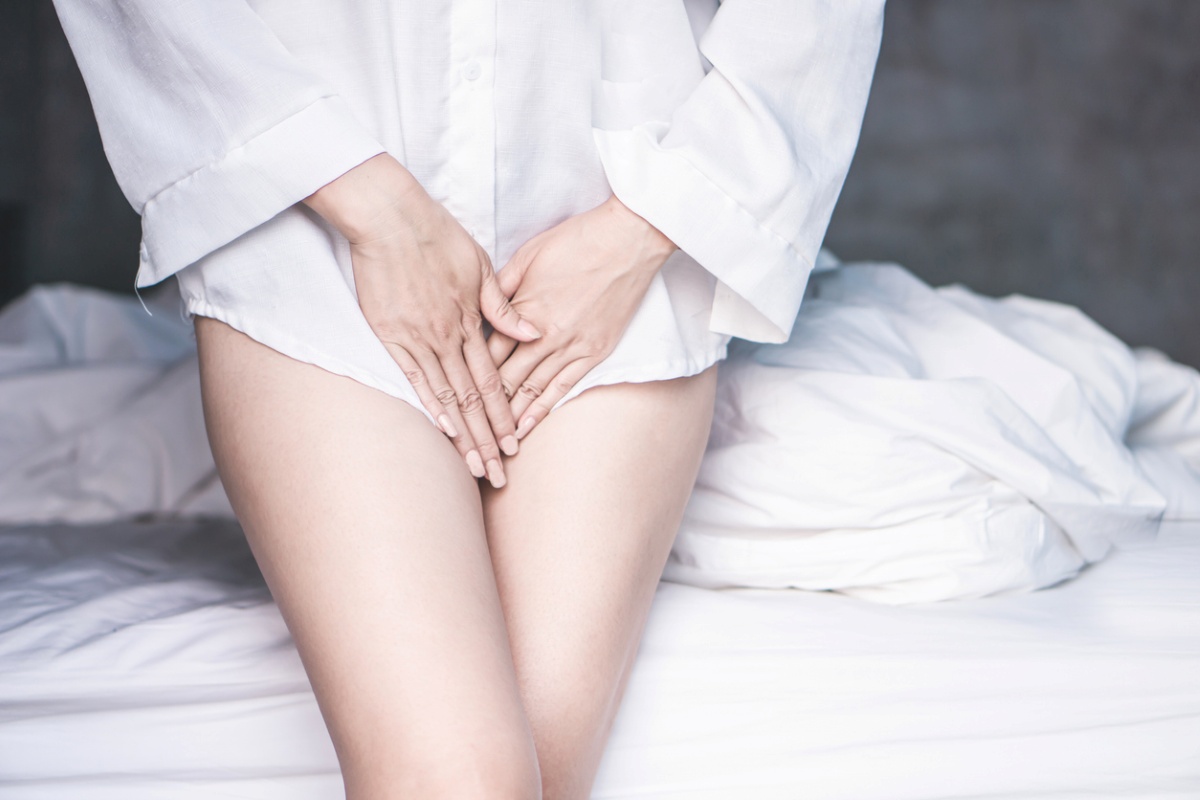
Proper vaginal hygiene is extremely important for a woman’s health. Whether or not you’re of reproductive age, keeping the vulva clean the correct way can make a huge difference when it comes to vaginal infections. Your vagina is a sensitive area and, thankfully, maintaining good hygiene is incredibly simple.
The most important part about vaginal hygiene is maintaining its pH. A normal vaginal pH tends to be slightly acidic and when this is thrown off, women start to experience symptoms of infections. These symptoms might include irritation, itchiness and pain. Some women are more sensitive to vaginal changes, particularly during pregnancy.
The pH can be altered by any foreign substance that’s introduced into your vagina – so think twice about what enters your vagina to avoid disrupting its protective environment. At the same time, don’t strictly focus on the vagina itself but also the surrounding external area. Here are several tips to maintain proper vaginal hygiene.
Washing
Maintaining a clean vagina means regular, gentle bathing on the outside (remember, not inside!) of the vagina. Water is the best cleanser – possibly with a mild soap – but less is always more in this case. Your vagina does not need to smell like flowers. Do not douche as it can disrupt the pH and strip the vagina of necessary bacteria, causing infections and irritation.
- Wash the area with warm water daily, even if you skip a shower.
- Avoid using scented soaps and gels. The scents can irritate the area and will only serve as a mask to cover up an actual issue that might be causing odor.
- Even if you’re experiencing vaginal odor and other problems, douching will only cover up the problem and possibly make it worse – not fix it.
- After using the toilet, wipe front to back. Even better, rinse with warm water to remove unwanted bacteria and pat dry.
- Don’t shave the entire pubic area, which can cause irritation. Cuts and nicks can also introduce unwanted bacteria. The hair exists to protect the region, so trim back if necessary with scissors, not a razor. Do not use hair removal cream, which burns off hair and can be especially harsh on the skin.
Sex and vaginal hygiene
Sexual intercourse is a healthy activity and should not be considered unhygienic. In fact, especially after menopause, sex helps prevent vaginal atrophy. Atrophy is when the vagina dries out and is more likely to tear and cause pain. There are still some easy ways to avoid developing infections after sex.
- Change condoms when switching among vaginal, anal and oral intercourse to avoid spreading bacteria.
- Don’t share sex toys with your partner.
- During sex, bacteria can sometimes get into the urethra. After sex, make sure you urinate to flush out bacteria and avoid contracting a urinary tract infection.
- You should also shower or at least clean the vulva after sex with warm water and thoroughly dry.
Clothing
The key to good vaginal hygiene is to make sure your external pubic area (not the vagina itself) remains as dry as possible. Moisture can promote the growth of bacteria. Try to wear clothes that allow the area to breathe.
- Avoid tight-fitting pants that restrict air circulation in the vaginal area.
- Wear cotton underwear over synthetic fabric. Cotton is better at absorbing moisture.
- Change your clothes and underwear after the gym.
- Don’t wear a thong while exercising. The constant movement will introduce anal bacteria into the vagina and cause infections.
- Avoid wearing a wet swimsuit all day.
- Change your underwear twice a day if you have extra discharge to avoid sitting in damp underwear.
General vaginal hygiene
- Change tampons, pads and liners at least 4-5 times a day. It may help to also wash or wipe the area regularly during your period. Avoid scented versions of these products too.
- For yeast infections, it can help to eat yogurt. It contains lactobacillus acidophilus which helps create the acidic environment your vagina requires and combats the growth of yeast. However, do not put yogurt into your vagina. The sugar in yogurt can exacerbate the infection by encouraging the yeast to grow even more. Probiotics are a good source of lactobacillus as well and these can be taken daily and are available at your local pharmacy.
While on the topic of food: Don’t put any food in your vagina. Sea salt, vinegar, garlic, and other so-called home remedies should not be inserted into the vagina. Anything that’s being inserted into your vagina to treat infections should come from the direction of your doctor.