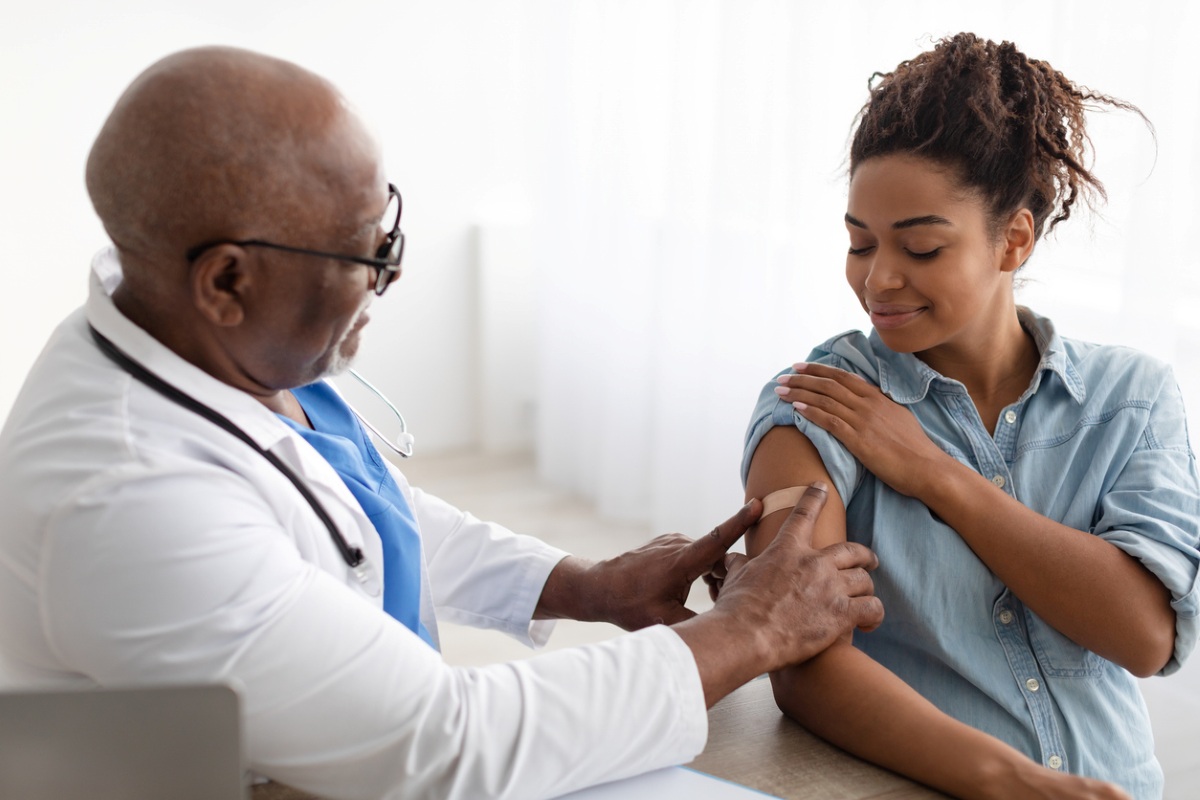
An abnormal Pap result can feel alarming, but it is often linked to a very common cause: HPV, or human papillomavirus. HPV is the most common sexually transmitted infection, and most people who are sexually active will get it at some point. In most cases, the body clears it on its own without any problems. Sometimes, though, certain types of HPV stick around and can lead to cervical and other cancers over time. That is exactly why the Gardasil 9 vaccine and regular screening are so powerful together.
Here is what you should know about HPV, the vaccine, and how the two connect to your long-term health.
What is HPV?
HPV is a group of more than 100 related viruses. It spreads through skin-to-skin contact, usually during sexual activity. Because it is so common and often causes no symptoms, many people carry it without ever knowing. Most HPV infections come and go quietly as the immune system clears them within a year or two.
The concern is with high-risk types that do not clear. When these linger, they can slowly cause changes in cells, which is what a Pap test is designed to catch early.
The link between HPV and cancer
A handful of high-risk HPV types cause nearly all cases of cervical cancer. The same types are also linked to cancers of the vulva, vagina, anus, and throat, and can affect men as well. These cancers usually take many years to develop, which gives screening and prevention a real chance to make a difference.
This is the link that makes both the vaccine and routine Pap and HPV testing so important. The vaccine helps stop infection before it starts, while screening catches any cell changes early, when they are easiest to treat.
What the Gardasil 9 vaccine does
Gardasil 9 protects against nine types of HPV, including the high-risk types responsible for most HPV-related cancers and the types that cause most genital warts. It works best when given before any exposure to the virus, which is why it is recommended at a young age.
It is important to know what the vaccine does not do. It does not treat an existing HPV infection, and it does not protect against every type of HPV. Because of that, regular cervical cancer screening is still essential even after vaccination.
Who should get vaccinated?
The CDC recommends HPV vaccination routinely at age 11 or 12, though it can start as early as age 9. Catch-up vaccination is recommended through age 26 for anyone not already fully vaccinated. The number of doses depends on the age at which the series begins.
For adults ages 27 through 45, vaccination is a shared decision you make with your provider. Some adults in this range, especially those with new or recent exposure risk, may still benefit. Talking it through can help you decide if it makes sense for you.
Clearing up common myths
A few misunderstandings keep some people from getting vaccinated. The vaccine does not cause HPV infection, since it contains no live virus. It does not encourage earlier sexual activity, and research over more than 15 years shows it is safe and effective. Mild side effects like a sore arm, headache, or brief dizziness are the most common, and serious reactions are rare.
Protecting your health for the long run
HPV is common, but serious outcomes are largely preventable. The Gardasil 9 vaccine and regular cervical cancer screening work hand in hand, one preventing infection and the other catching problems early. Together they offer strong, lasting protection.
If you have questions about the HPV vaccine, your Pap results, or cervical cancer screening, Bloom OB/GYN can help you find the right plan. Call (202) 449-9570 or request an appointment to talk with your provider.