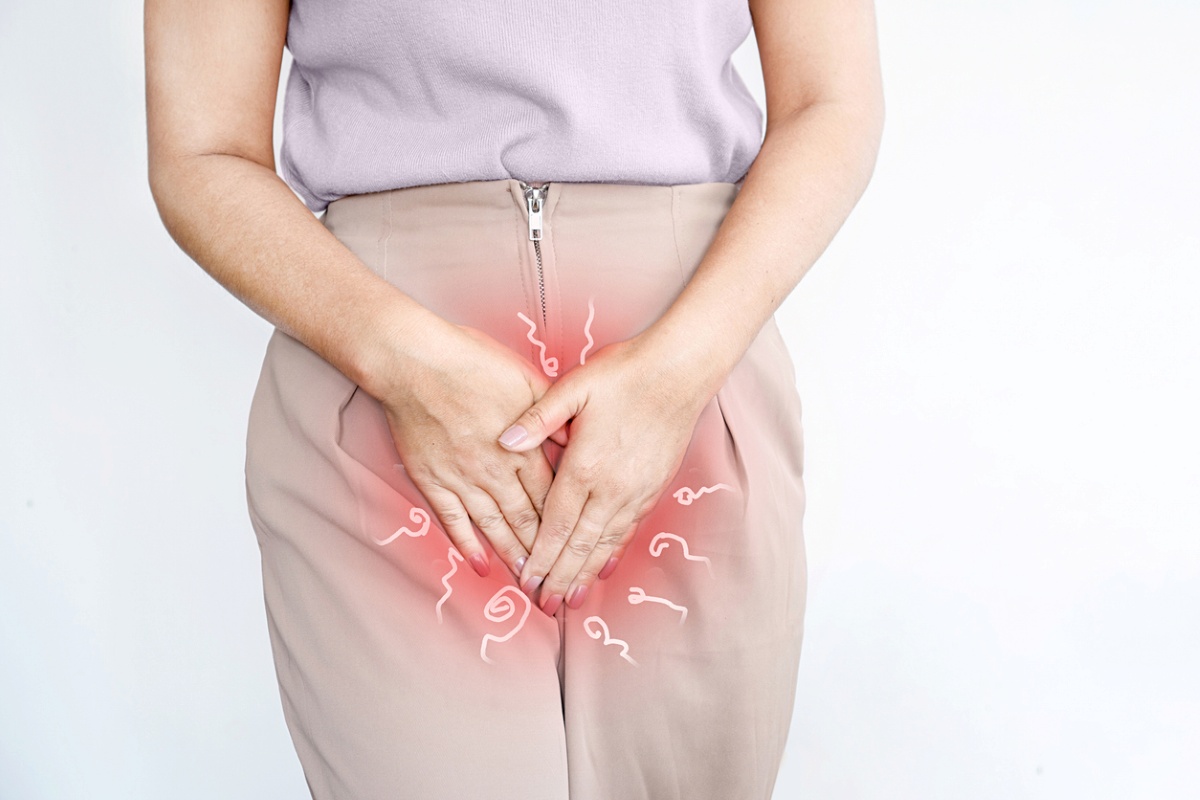
Vaginal pH is a measure of how acidic or basic the inside of your vagina is. It runs on a scale from 0 to 14, where lower numbers are more acidic and higher numbers are more basic. A healthy vagina is normally a bit acidic, usually somewhere between 3.8 and 5.0. That acidity is not a flaw. It is your body’s built-in defense system.
This acidic setting comes from helpful bacteria called lactobacilli, which make lactic acid. The acid keeps harmful bacteria and yeast from growing out of control. When your pH stays in its healthy range, you are far less likely to deal with infections, odor, and irritation. When it climbs too high, the balance tips and problems can follow.
What can throw your pH off balance
Lots of everyday habits can nudge your pH out of its healthy zone. Knowing the common culprits makes them easier to avoid.
- Soaps and scented products: Washing inside the vagina with soap, or using sprays, washes, and douches, strips away healthy bacteria and raises pH.
- Antibiotics: While they fight harmful bacteria, they can also wipe out the good lactobacilli, which sometimes leads to yeast infections.
- Hormone shifts: Your period, pregnancy, and menopause all change estrogen levels, and estrogen helps keep your pH in range. Lower estrogen often means higher pH. If you are navigating this transition, menopause management can help address the changes.
- Semen and sex: Semen is basic, so unprotected sex can temporarily raise vaginal pH.
Signs your pH may be off
When pH rises too high, the most common result is bacterial vaginosis. This often brings a thin gray or white discharge and a fishy odor that may be stronger after sex. A different imbalance can lead to a yeast infection, which usually causes thick white discharge, itching, and burning rather than a strong smell.
These symptoms are your signal to pay attention. Odor and discharge changes are the body’s way of telling you the balance has shifted, and they are worth taking seriously rather than covering up.
How to support a healthy balance
The good news is that your vagina has a balancing mechanism, and your main job is to avoid getting in its way. Leave the inside alone and let it clean itself. Wash only the outer vulva with warm water or a gentle unscented cleanser, and skip douches and scented products entirely.
A few simple habits help, too. Cotton underwear and changing out of damp clothes keep the area dry, which discourages the overgrowth that raises pH. Some research suggests that probiotics with lactobacilli may help support healthy bacteria, though more study is needed, so it is worth asking your provider before adding one.
Be careful with “pH balancing” products
Store shelves and ads are full of washes, wipes, and boosters that promise to balance your pH. Most are unnecessary, and many do the opposite of what they claim by disrupting the natural environment. A healthy vagina does not need a product to stay balanced. If a company is selling you a fix for a problem you do not have, that is a reason to be skeptical.
When odor or discharge means it is time to intervene
If you notice a lasting change in smell, color, or amount of discharge, or you have continuous itching and burning, this is a sign to seek care rather than to self-treat. Infections tied to pH are common and very treatable, but the right treatment depends on knowing exactly what is going on. Our gynecology services cover exactly this kind of evaluation.
The providers at Bloom OB/GYN can test, diagnose, and treat the real cause so you get lasting relief instead of a temporary mask. If you prefer to start from home, a telemedicine visit is an option for discussing symptoms. To get answers, request an appointment at Bloom OB/GYN in Washington, DC by calling (202) 449-9570 or visiting our contact page.